
Fire Alarm Inspection & Testing Schedule for Texas Businesses (Plano and DFW Metroplex Guide)
Fire alarm systems protect lives and property, but only when they work correctly. Texas law requires commercial buildings in Dallas, Fort Worth, Plano, and surrounding areas to maintain fire alarm systems according to strict schedules. Missing an inspection or falling behind on testing can result in fines, insurance complications, and serious safety risks. Property managers and business owners need a clear understanding of what gets inspected, how often, and what documentation to keep.

This guide breaks down fire alarm inspection requirements Texas businesses must follow, based on NFPA 72 standards and local fire marshal rules.
Key Takeaways
Texas requires annual fire alarm inspections for most commercial properties
NFPA 72 sets testing schedules for detection devices, notification appliances, and control panels
Visual inspections happen quarterly or semi-annually depending on system complexity
Remodels, tenant changes, and panel upgrades trigger immediate re-inspections
Proper documentation protects you during audits and insurance claims
Table of Contents
What Texas Law Requires for Fire Alarm Inspections
The Texas Department of Insurance and State Fire Marshal enforce fire alarm testing requirements for commercial properties. Most Dallas and Fort Worth businesses must complete annual inspections performed by licensed fire alarm technicians. Schools, hospitals, high-rise buildings, and facilities with occupant loads over 300 often face stricter schedules. Local fire marshals in Plano, Arlington, and Richardson may add additional requirements beyond state minimums.
Texas-licensed companies must submit inspection reports to property owners and maintain records for at least three years. Insurance carriers typically request these documents during policy renewals. Businesses operating without current inspection certificates risk violations during routine fire marshal visits.
NFPA 72 Inspection Frequency Breakdown
NFPA 72, the National Fire Alarm and Signaling Code, establishes baseline testing schedules that Texas adopts. Here's what property managers need to track:
Component | Inspection Frequency | Testing Frequency |
Control panels | Semi-annually | Annually |
Smoke detectors | Semi-annually | Annually |
Heat detectors | Semi-annually | Annually |
Pull stations | Semi-annually | Annually |
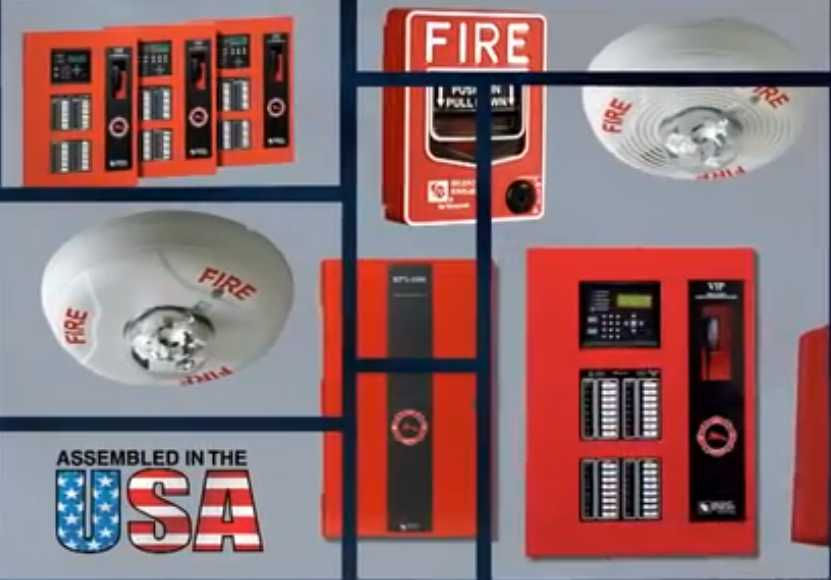
Notification devices (strobes, horns) | Semi-annually | Annually |
Batteries (primary) | Monthly (visual) | Annually (load test) |
Batteries (secondary) | Semi-annually | Annually |
Visual inspections check for physical damage, obstructions, and proper positioning. Annual testing verifies that devices activate correctly and communicate with the panel. Sensitivity testing for smoke detectors happens every other year or when devices show signs of drift.
What Gets Inspected During Fire Alarm Testing
A complete Dallas fire alarm inspection covers multiple system layers. Technicians verify that initiating devices trigger alarms, notification appliances produce adequate sound levels, and control panels log events accurately. Inspectors test battery backup systems under load conditions to confirm runtime meets code.
Communication pathways between devices and monitoring stations receive special attention. IP-based systems require network connectivity tests. Analog systems need voltage and amperage checks across all circuits. Access control integration points get verified to ensure doors unlock during emergencies.
Inspectors also review system programming for recent building changes. New tenants, partition walls, or occupancy type changes may require updated alarm zones or additional devices.
Documentation and Record-Keeping Requirements
Texas fire marshals expect detailed records for every inspection and test. Required documentation includes:
Inspection date and technician license number
List of all devices tested with pass/fail results
Battery voltage readings and load test duration
Deficiencies found and corrective actions taken
System programming changes made during visit
Keep these records on-site and provide copies to your insurance carrier. During audits, fire marshals may request records going back three to five years. Digital record systems help property managers track inspection histories across multiple buildings.
SAS Security provides clients with comprehensive inspection reports that satisfy state and local requirements, including detailed device inventories and test results.
When Re-Inspections Are Required
Certain building events trigger immediate re-inspection requirements beyond routine schedules:
Remodels and Renovations: Any construction affecting fire alarm coverage requires a post-work inspection. This includes ceiling work that relocates detectors, new partitions that create separate rooms, or HVAC changes that alter airflow patterns.
Tenant Changes: New occupants with different business operations may change fire loading or occupancy classifications. Restaurants, warehouses, and assembly spaces each have specific detection requirements.
Panel Upgrades: Replacing control panels or migrating from analog to addressable systems requires full acceptance testing. Technicians verify all device addresses, alarm verification sequences, and monitoring station communication.
Code Violations: If a fire marshal identifies deficiencies during a site visit, re-inspection happens after corrections. Some jurisdictions charge re-inspection fees.
Keep Your Plano and DFW Metroplex Business Compliant
Fire alarm inspection requirements Texas enforces protect building occupants and business continuity. Staying current with NFPA 72 schedules prevents violations and ensures reliable system performance. Property managers juggling multiple locations benefit from working with experienced fire alarm companies that track testing cycles and handle documentation.
SAS Security has served Dallas and Fort Worth businesses since 1978, providing comprehensive fire alarm inspection services backed by NICET Level IV engineering expertise. Our licensed technicians handle everything from routine testing to complex system upgrades.
Contact SAS Security at 972.312.1700 to schedule your fire alarm inspection or discuss system upgrades for your Plano and DFW Metroplex property.
FAQs
How often do fire alarms need to be inspected in Texas?
Most commercial properties require annual inspections with semi-annual visual checks. High-occupancy buildings and certain facility types may need quarterly inspections based on local fire marshal requirements.
What happens if I miss a fire alarm inspection deadline?
Missing inspection deadlines can result in fire marshal citations, insurance policy complications, and potential liability if a fire occurs. Texas requires current inspection certificates for most commercial occupancies.
Do I need a licensed company to inspect my fire alarm system?
Yes. Texas requires licensed fire alarm technicians to perform inspections and testing. The company must hold appropriate state licenses and provide documentation that satisfies fire marshal requirements.
How much does a fire alarm inspection cost in Dallas?
Costs vary based on system size and complexity. A basic inspection for a small commercial building typically ranges from $200 to $500, while large facilities with hundreds of devices cost more. SAS Security provides detailed quotes based on your specific system.
What is NFPA 72 and why does it matter in Texas?
NFPA 72 is the National Fire Alarm and Signaling Code that establishes testing standards. Texas adopts NFPA 72 requirements as part of state fire code, making compliance mandatory for commercial properties.
References
National Fire Protection Association (NFPA). "NFPA 72: National Fire Alarm and Signaling Code." NFPA.org.
Texas Department of Insurance, State Fire Marshal's Office. "Fire Alarm Licensing and Inspection Requirements." TDI.Texas.gov.


Comments