
Building Security: Guide to Building Security Plans
In today's world, ensuring building security is more critical than ever. A comprehensive building security plan is not merely a suggestion but a necessity for protecting building occupants, assets, and the overall integrity of any premise.

This guide provides a thorough examination of the key components and strategies involved in creating an effective building security framework, addressing potential security threats and vulnerabilities. By understanding the nuances of building security, organizations can proactively mitigate risks and foster a secure environment for everyone.
Understanding Building Security
What is Building Security?
Building security encompasses the measures taken to protect a building and its occupants from harm, unauthorized access, and various security threats. It includes physical security measures like locks, access control systems, and security guards, as well as digital security measures to protect sensitive data.
Effective building security aims to deter potential threats, prevent incidents from occurring, and provide a swift and coordinated response in the event of an emergency. A robust building security plan also includes regular security assessments and updates to address evolving risks and vulnerabilities within the building and its perimeter.
Importance of Ensuring Building Security
Ensuring building security is paramount for several reasons, including the safety and well-being of building occupants. Effective security measures deter criminal activity, prevent unauthorized access, and protect sensitive information and assets within the building. Moreover, a secure environment fosters confidence and productivity among employees and visitors.
Neglecting building security can lead to severe consequences, such as theft, vandalism, physical harm, and legal liabilities. Proactive security measures are vital for maintaining a safe and secure workplace, residential facility, or any other type of premise.
Components of a Building Security Plan
A comprehensive building security plan consists of several key components working together to provide effective security. The plan incorporates different types of measures, such as:
Physical security measures
Digital security measures
Regular security assessments
A well-defined emergency response procedure
This security plan should be regularly updated and maintained to ensure compliance and address any new threats or vulnerabilities.
Creating a Building Security Plan
Steps to Develop a Comprehensive Security Plan
Here's how a comprehensive building security plan is typically developed. It involves several critical steps, including:
Conducting a thorough security assessment to identify potential threats and vulnerabilities within the building and its perimeter. This includes evaluating existing security measures, assessing risk factors, and determining specific security needs.
Creating a detailed plan that outlines specific security measures, emergency response procedures, and protocols for communication.
Identifying Threats and Vulnerabilities
Identifying potential security threats and vulnerabilities is a fundamental aspect of creating a robust building security plan. A comprehensive risk assessment should evaluate a range of potential threats, including unauthorized access, theft, vandalism, and even more severe incidents like terrorism or active shooter situations.
Vulnerability assessments should examine weaknesses in physical security, such as inadequate locks, insufficient lighting, or unprotected access points. Digital vulnerabilities, such as unsecured networks or outdated software, should also be assessed to ensure comprehensive building security. Identifying these threats and vulnerabilities allows for the implementation of targeted control measures to deter and prevent potential incidents.
Access Control Measures
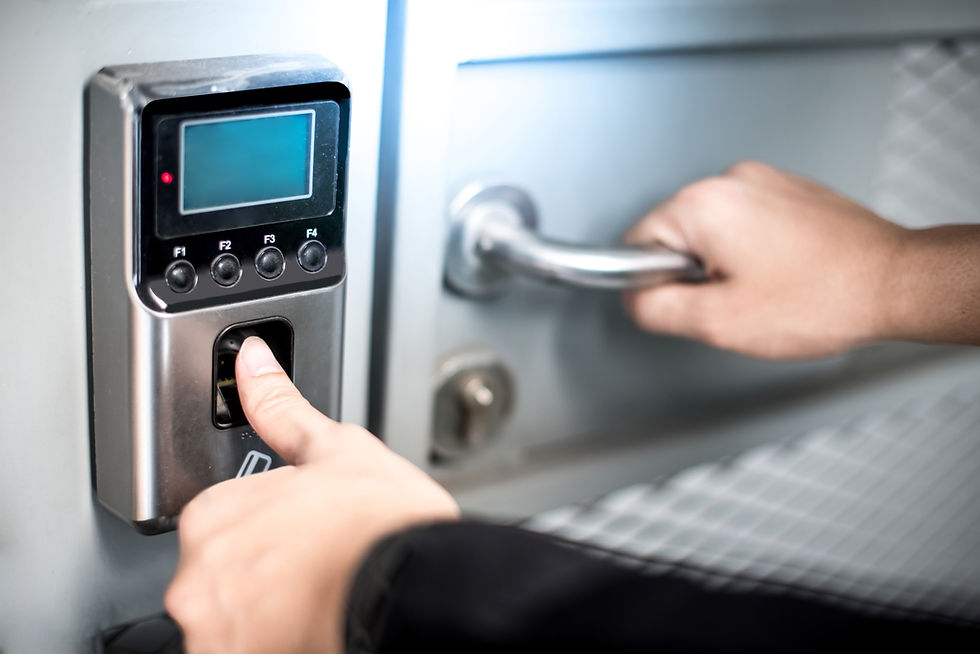
Access control measures are essential components of any building security plan, ensuring that only authorized personnel and visitors can access secure areas. Access control systems manage and restrict physical access to the premise, and implementing effective access control is a critical step in enhancing overall building security. These measures involve various technologies; specifically, access control features often include:
Biometrics
Proximity readers (short and long range)
Hand readers
Smart cards
Emergency Procedures in Building Security
Evacuation Plans
A critical component of any building security plan is a well-defined evacuation procedure. In the event of an emergency, such as a fire or a security threat, a swift and orderly evacuation is paramount to ensure the safety of all building occupants.
Fire Alarm Supervision and Detection Systems feature emergency notification and evacuation capabilities. Voice evacuation systems are also included. These security measures should be clearly communicated and regularly practiced to ensure familiarity and effectiveness.
Training Personnel for Emergencies
Ensuring building security necessitates that all personnel are adequately trained to respond to various emergency situations. Training programs should cover topics such as fire safety, active shooter protocols, medical emergencies, and severe weather preparedness.
Regular training sessions and refreshers can help employees react calmly and effectively in crisis situations. Furthermore, designating and training security officers and a security team can further enhance building security by providing a trained security officer presence and expertise. This training is a crucial component of the overall security plan.
Regular Drills and Maintenance
To maintain effective building security, regular drills and maintenance are essential. Routine fire drills and security exercises allow building occupants to practice evacuation procedures and familiarize themselves with emergency protocols.
Regular maintenance of physical security systems, such as access control, security camera systems, and alarm systems, is also crucial. These periodic security assessments are important to ensure that equipment functions properly and that building security is not compromised.
Securing Your Building Against Terrorism
Risk Assessment for Terrorism Threats
In today's threat landscape, building security plans must address the potential risk of terrorism. A thorough risk assessment should evaluate the building's vulnerability to terrorist attacks, considering factors such as its location, occupancy, and symbolic significance. Identifying potential threats and vulnerabilities enables the implementation of targeted control measures.
Consulting with law enforcement agencies and security experts can provide valuable insights into mitigating terrorism risks. This is an important part of ensuring building security.
Implementing Advanced Security Measures
Securing a building against terrorism requires the implementation of advanced security measures. These measures may include enhanced access control systems, such as biometric scanners and turnstiles, to restrict unauthorized access.
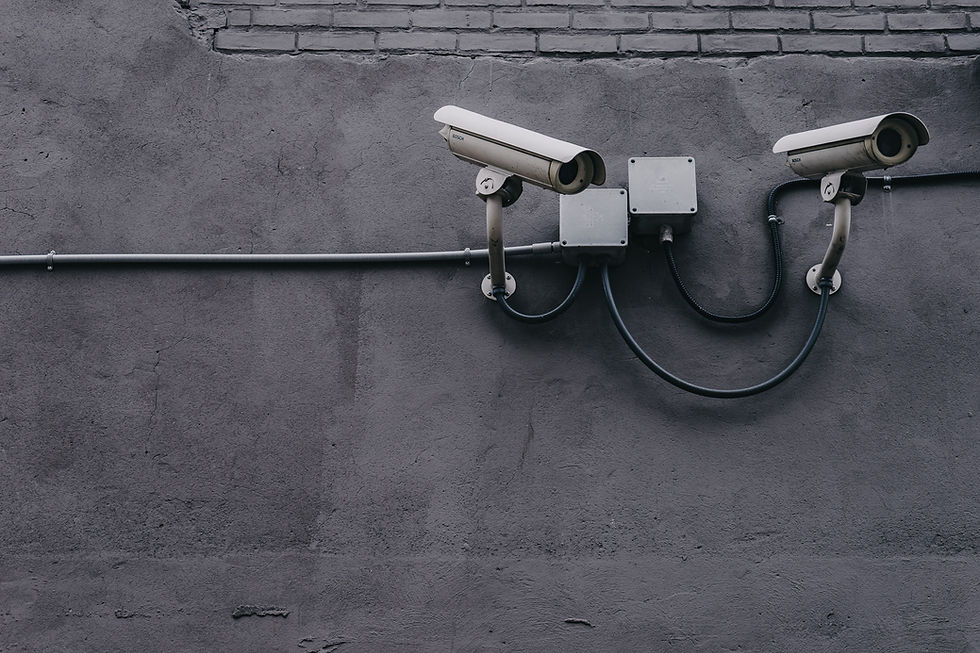
Installing high-resolution security camera systems with advanced analytics capabilities can help monitor suspicious activity and deter potential attackers.
Blast-resistant windows and reinforced doors can provide added protection against explosions. Implementing these security measures will ensure a safer building.
Collaborating with Local Authorities
Effective building security involves close collaboration with local law enforcement and emergency response agencies. Sharing information and coordinating security plans with local authorities can enhance emergency response capabilities.
Regular communication and joint training exercises can improve coordination and preparedness in the event of a terrorist attack.
SAS Security, with office at Plano, TX, participates in several CO-OP programs like EPCNT, TIPS, DIR, and CTPA. This collaboration is a critical component of a comprehensive building security plan and will ensure a better response. Contact SAS Security today to get a free quote for your building security.

Comments